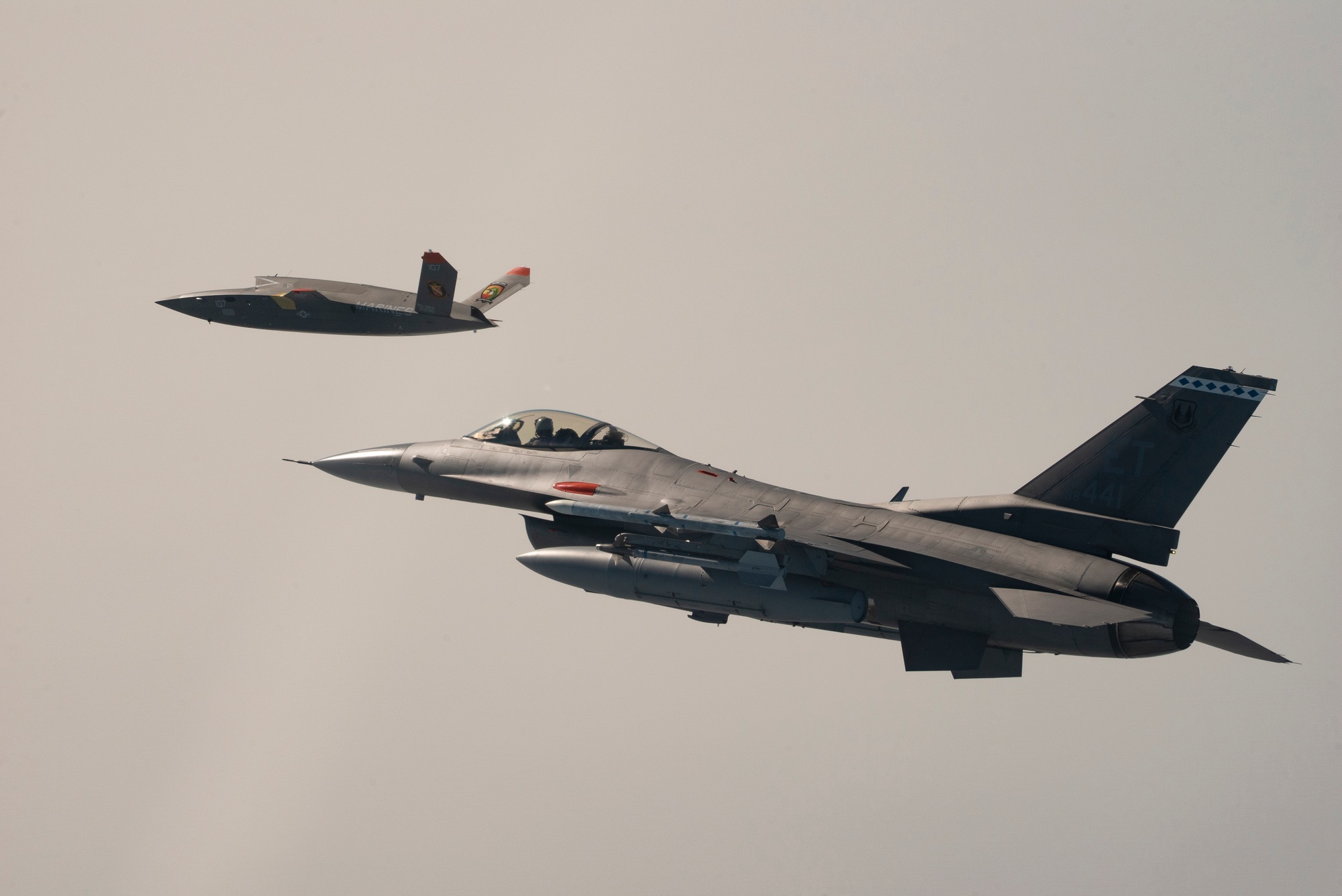
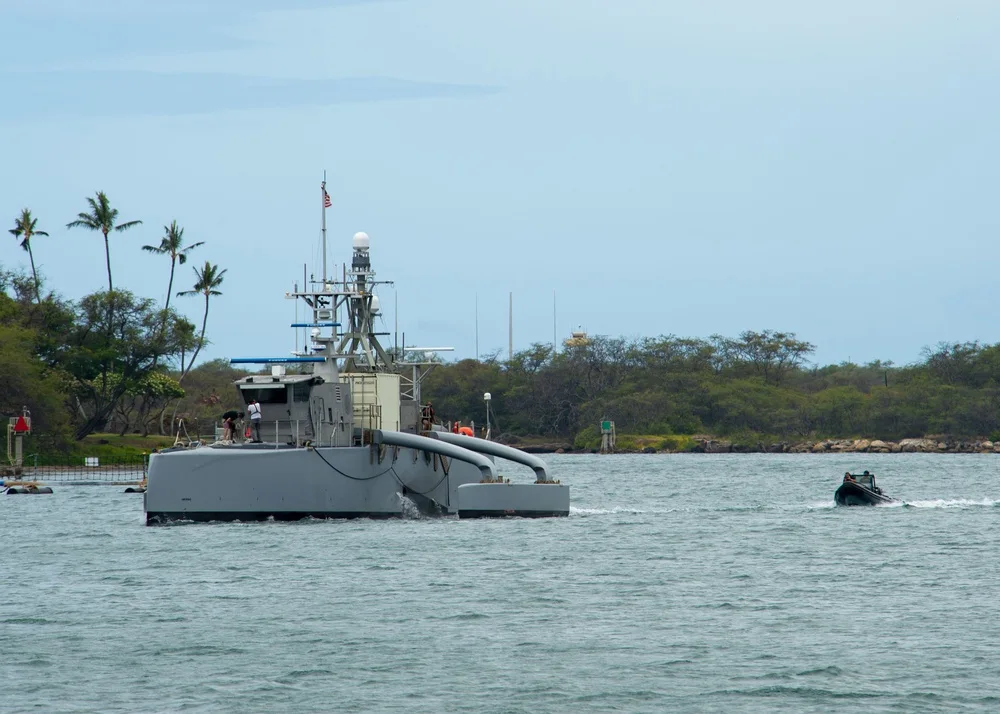
The Royal Navy reported on 1 October that its team had led anti-submarine warfare scenarios at the multinational REPMUS 2026 exercise in Portugal. The experiments combined underwater gliders, uncrewed surface vessels and aircraft to gather environmental and acoustic data and report submarine contacts. The Navy says the activity is intended to inform future options under its Atlantic Bastion programme, rather than confirm adoption of the tested equipment.
Several kinds of underwater glider were used, including larger sensor-bearing gliders with long acoustic vertical arrays. Small and medium uncrewed surface vessels collected acoustic data and provided real-time contact reports; the Navy describes their use in squads as a proof of concept. It also reports that two autonomous boats, approximately 12 and 17 metres long, tested sonar towing, automated sonobuoy deployment and glider launch. Swedish fixed-wing drones flew surveillance tasks, while Portuguese drones dropped sonobuoys and relayed data to a shore command centre.
What the exercise shows
The service's account is evidence of an integrated multinational trial spanning sea surface, underwater and air systems. It does not identify the individual glider or boat models, publish detection ranges or prove continuous operational anti-submarine coverage. The Navy explicitly says some emerging systems were being evaluated and had not been formally adopted.
This is separate from the individual WAM-V exercise report and NATO Task Force X-Arctic software-integration story already in the archive. The next evidence to watch is whether a named configuration completes follow-on testing and enters an approved naval programme.
Publication history
- — Added Royal Navy REPMUS anti-submarine experiments with explicit proof-of-concept and adoption limits.
Suggest a correction to this entry
Follow the evidence
Source types identify who makes the claim. Programme milestones and supplier statements should be read in context.