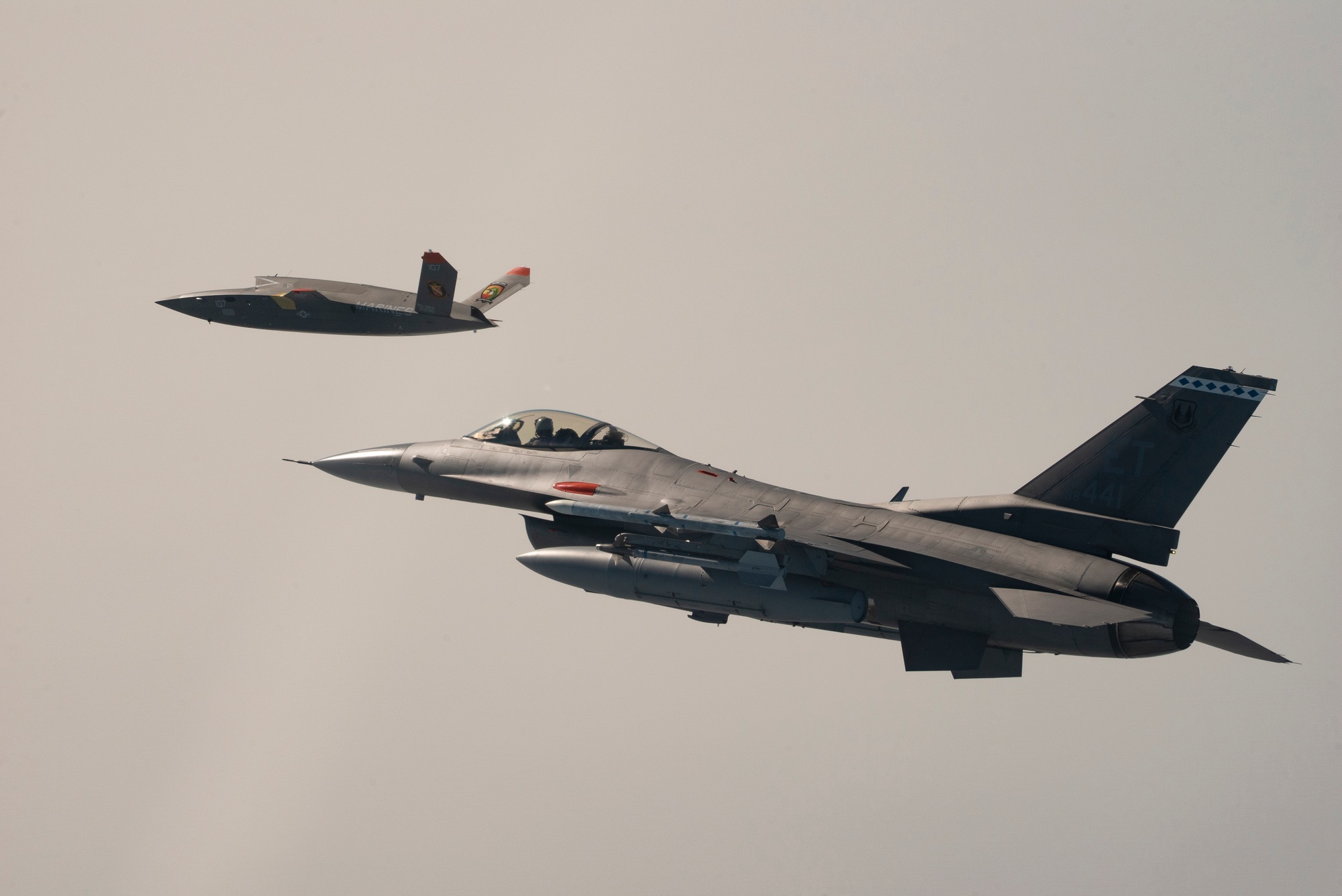
One programme can be mature in some respects and early in others
A vehicle may use an established propulsion system while testing a new payload or software function. A production aircraft may host experimental equipment. An operator may receive hardware before the training, support and permissions needed for its intended role are complete. The programme therefore cannot always be described accurately by a single word such as ready.
For a useful reference entry, ask what has matured: a component, an integrated vehicle, a manufacturing process or an operational capability? Then identify the source that supports the answer. Avoid borrowing a mature component's reputation to certify an entire new system.
Concepts and prototypes
A concept establishes a proposed approach. Renderings, models and presentations can help explain it, but do not establish working hardware. A prototype is a physical development article; its existence says more than a rendering, but does not prove repeatable performance or production readiness. Identify what the published evidence actually shows.
A first movement, first flight or first voyage is a meaningful event within its stated scope. It demonstrates that a particular article performed that event under the reported conditions. It should not be rewritten as proof of every advertised role. A test programme can continue changing the hardware and software after that milestone.
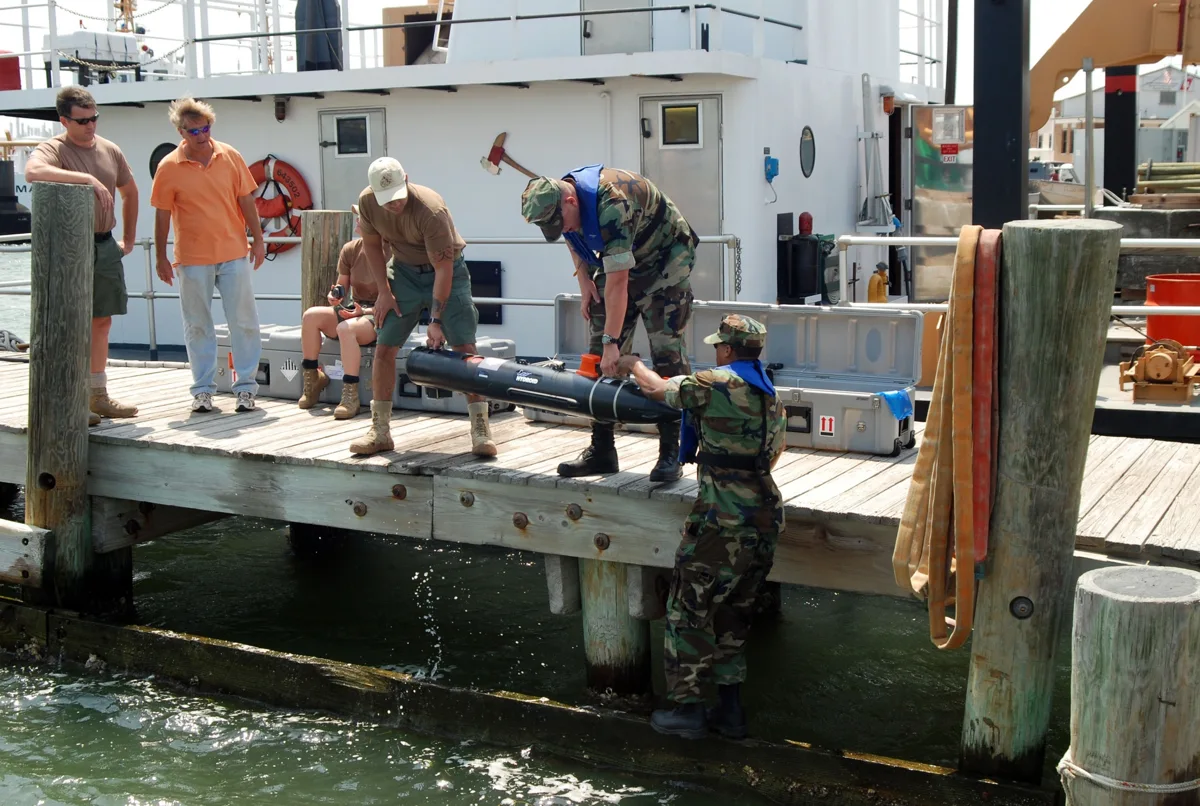
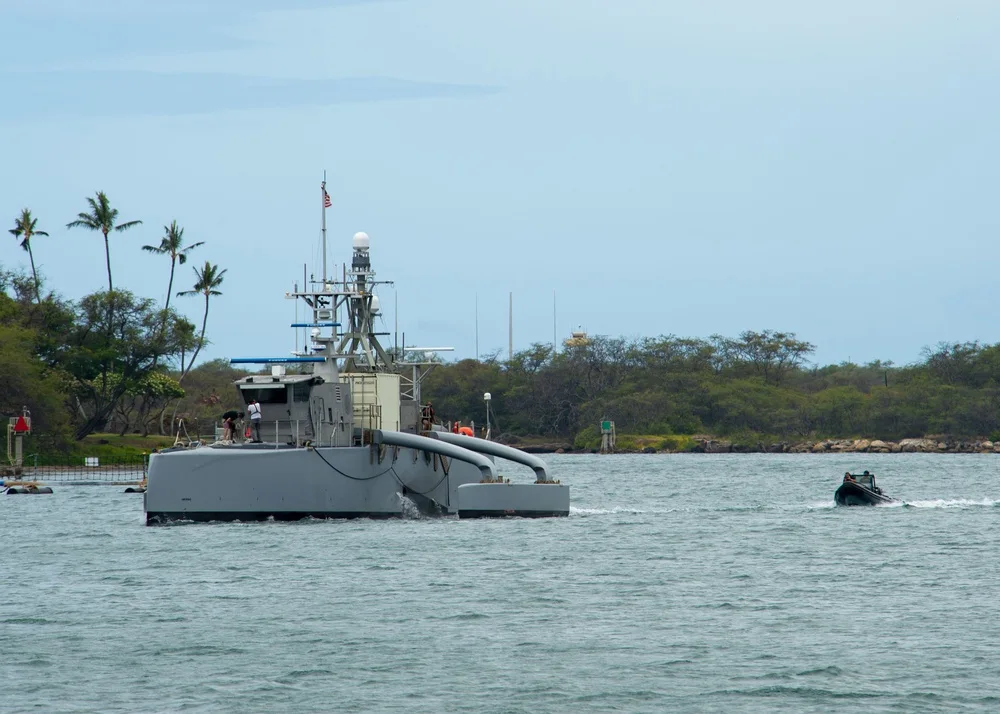
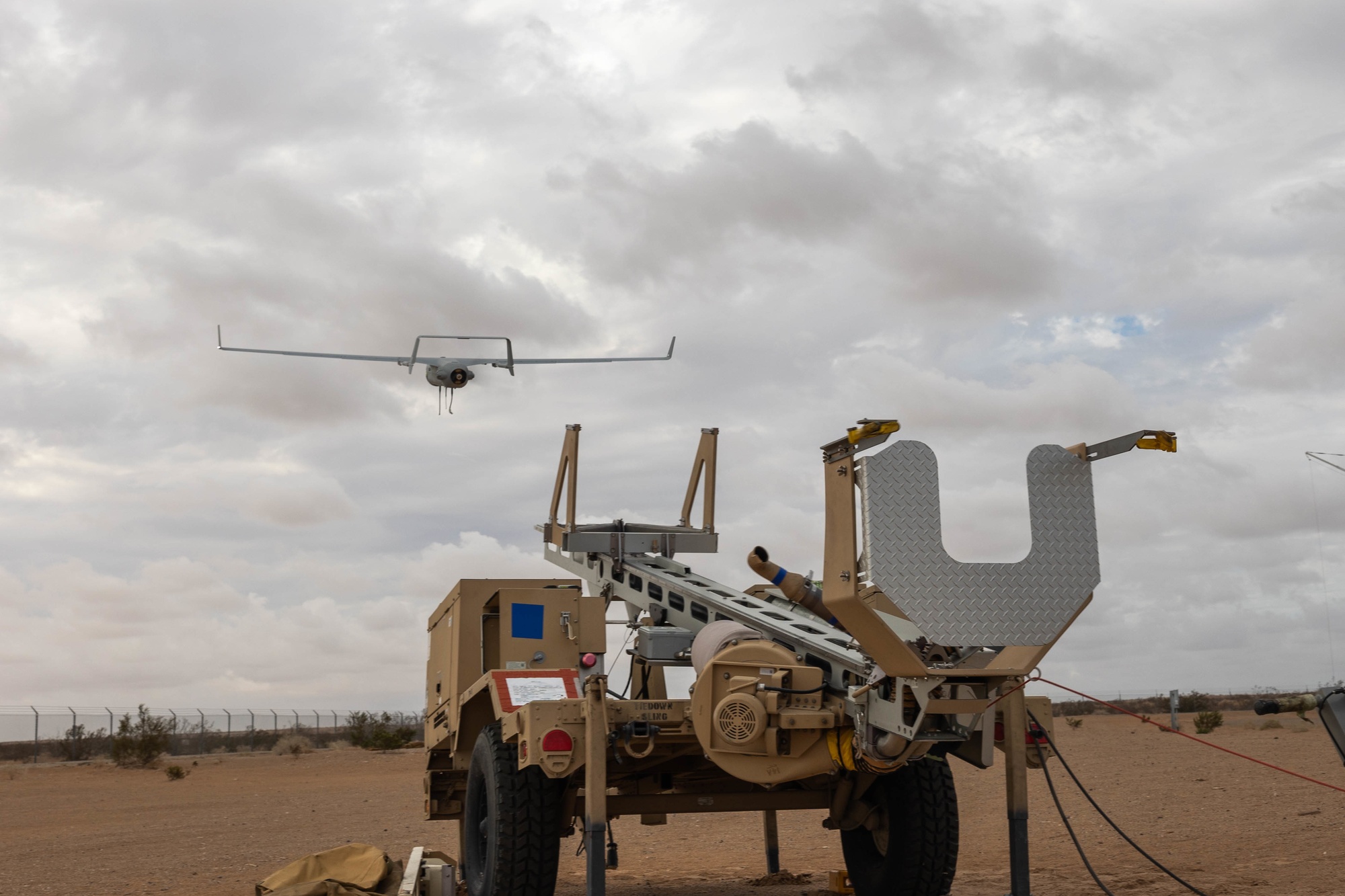
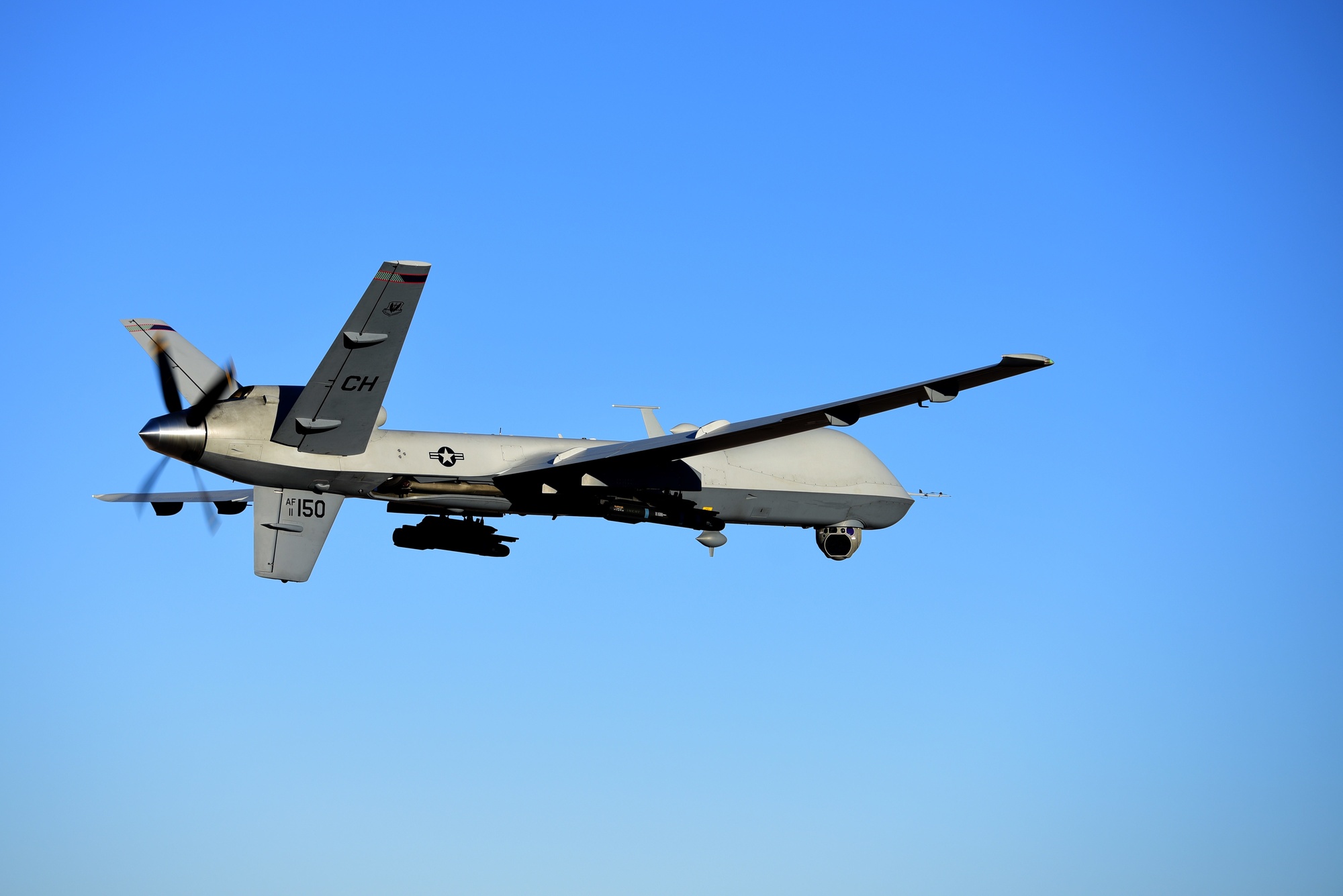
- ConceptA proposed design or approach.
- Prototype and trialsHardware and bounded demonstrations.
- Production and deliveryIndustrial commitments and transfers.
- Service and supportOperator milestones and continued availability.
Technology readiness is an assessment, not a slogan
GAO describes technology-readiness assessment as a way of evaluating maturity and the evidence for integration into larger programmes. [1] A quoted readiness level is useful only with its scope, assessment basis and date. This site does not assign official readiness levels to systems from photographs or marketing descriptions.
When reporting a supplier's readiness claim, retain the attribution. Ask whether it concerns one enabling technology or the whole configuration, and whether the testing environment resembles the intended use. A number without those details can create an impression of precision while leaving the important questions unanswered.
Trials, demonstrations and exercises
A demonstration may show a chosen function to an audience. Development testing investigates whether a design meets its objectives. An exercise can place equipment in a wider organisational setting. These activities can produce valuable evidence, but participation alone does not establish acceptance or routine availability.
Keep the event date, named equipment and demonstrated function together. If the public account does not disclose test criteria, duration or failures, say so rather than inventing a pass result. A successful demonstration of navigation does not necessarily assess sensor interpretation, maintainability or the maturity of an unrelated payload.
Production commitments and deliveries
A production announcement concerns the industrial or contractual programme. It may describe an initial quantity, a wider agreement or future options. US indefinite-quantity contracts, for example, distinguish the contract limits from individual orders. [3] An award headline therefore needs its scope before it can support a delivery claim.
Delivery establishes a transfer described by its source. Acceptance and service entry are separate questions. Equipment might arrive for training, testing or integration before an operator declares a capability. Keep quantities and purposes explicit; do not treat all delivered articles as an available operational fleet.
Historical example: Protector
The RAF's June 2025 Protector announcement described service entry and continued work towards full operating capability. [2] Those statements belong together. The announcement is useful precisely because it distinguishes a recognised milestone from remaining programme work. It should retain that historical context even when later developments occur.
This guide is not a current readiness assessment of the fleet. Readers should follow dated operator updates for subsequent status. The example demonstrates how to write a programme history without making an early announcement carry conclusions that were not part of it.
Worked example: a new survey payload
Imagine a fictional underwater vehicle whose base model already conducts surveys. Its maker announces a new payload, shows it attached at an exhibition and later reports a controlled trial. The base vehicle's history does not make the new payload accepted. The exhibition establishes a displayed configuration; the trial establishes the activity described in the trial account.
A careful profile would retain the base model's documented status and give the new configuration its own qualification. It would seek evidence of integration, customer acceptance or recurring use before advancing that qualification. This avoids both dismissing genuine progress and presenting development as completed capability.
Track progress without implying a guaranteed finish
Programmes can pause, change scope, replace components or end. The diagram is an editorial reading aid, not a mandatory sequence or a forecast. A later date does not automatically mean a higher maturity, and an absence of public updates does not prove cancellation.
Record the latest supported event, the configuration it concerns and the next unresolved question. That makes the profile useful to an enthusiast learning the terminology and to a specialist checking the evidence. Progress can be reported clearly while uncertainty remains visible.
Publication history
- — Published an illustrated field guide with worked examples and source references.
Suggest a correction to this entry
Follow the evidence
Source types identify who makes the claim. Programme milestones and supplier statements should be read in context.
- GAO: Technology Readiness Assessment Guide, 2020 (opens in a new tab)Government / assessment methodology
- RAF: Protector enters service, 16 June 2025 (opens in a new tab)Government / operator
- US FAR 16.504: indefinite-quantity contracts (opens in a new tab)Government / procurement rules