Endurance, range and useful time are different
Endurance is how long a vehicle can operate under specified conditions. Range describes a distance. Useful time on a task is what remains after travel, setup and other demands. These numbers answer different questions, and a specification without its conditions can be misleading even when it is accurately quoted.
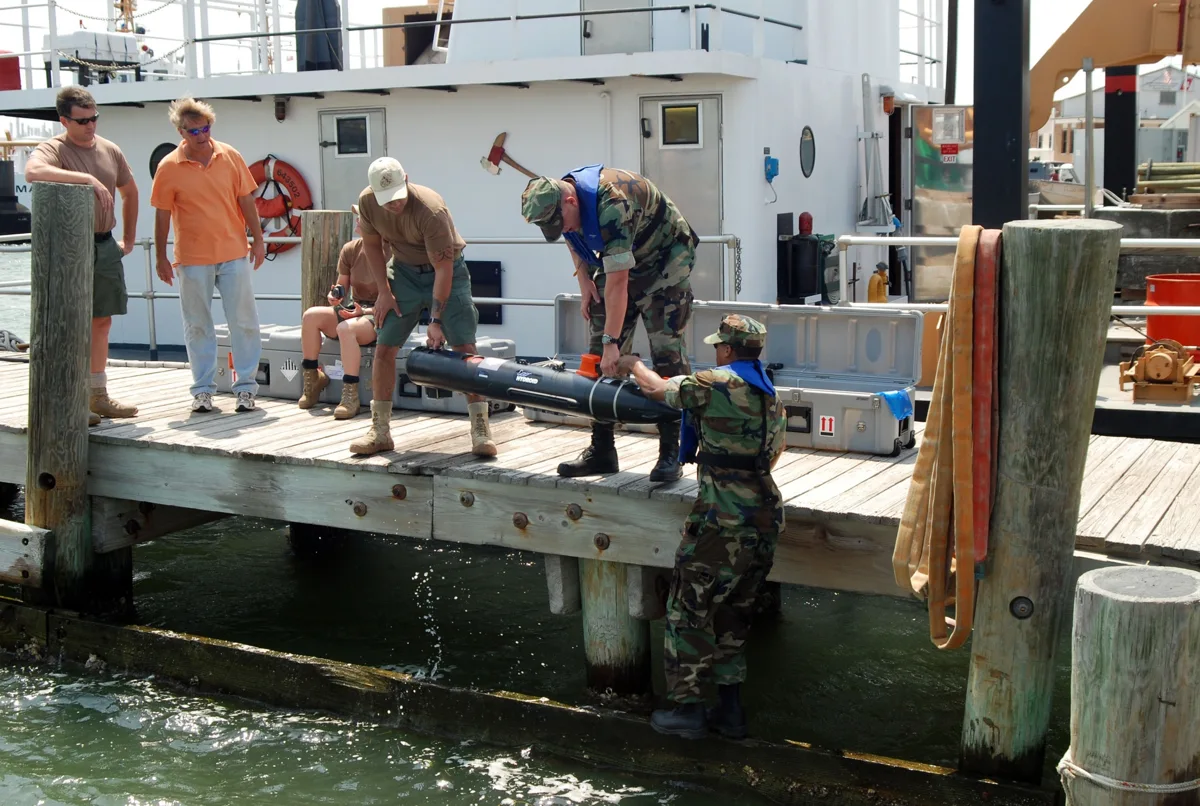
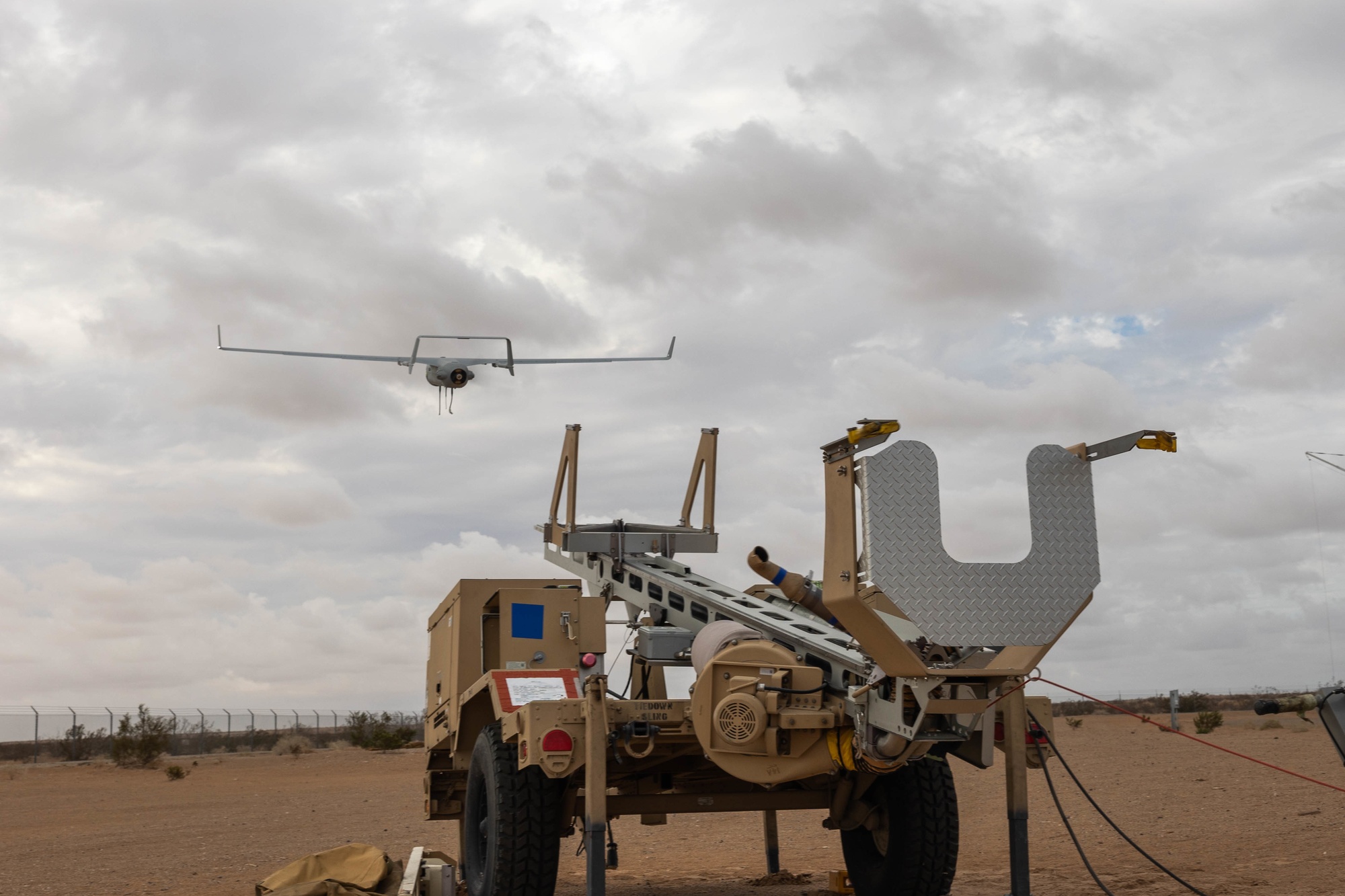
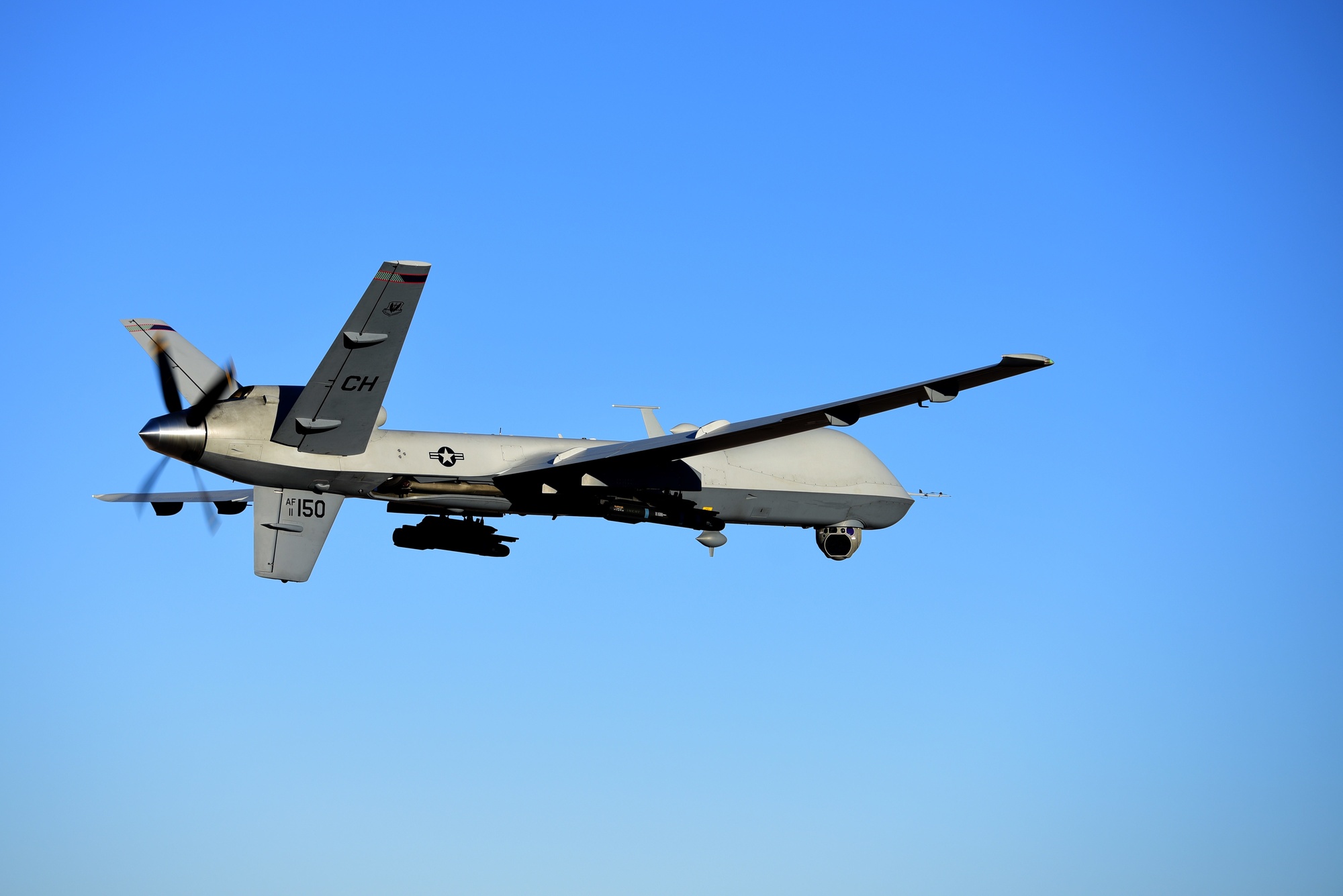
A survey aircraft might stay airborne for several hours yet spend only part of that period collecting the required data. A ground robot can remain powered while stationary but consume energy differently when crossing uneven ground. An underwater vehicle's sensing equipment and onboard computer also draw power while it travels. The entire system has an energy budget, not just its propulsion unit.
Energy is the store; power is the rate of use
An everyday comparison is a water tank and its outlet. The tank's contents resemble stored energy; the rate of flow resembles power. A system can have substantial stored energy but be unable to provide a required burst of power. Another can deliver high power briefly while exhausting its usable energy quickly.
For an electric vehicle, battery-pack performance includes more than the cells. Packaging, monitoring, protection and temperature control contribute to the complete installation. NASA's work on electrified aircraft emphasises the relationship between the energy source, electrical machinery and aircraft configuration [1]. Performance claimed for an individual component should not be substituted for that of the installed system.
A simple worked example
| Assumed usable energy | Assumed total demand | Simple calculated duration |
|---|---|---|
| 600 Wh | 300 W | 600 ÷ 300 = 2 hours |
| 600 Wh | 400 W | 600 ÷ 400 = 1.5 hours |
This is an invented classroom example, not a drone specification or an operational planning rule. Assume an inspection device has 600 watt-hours available for an illustrative calculation. At a constant total demand of 300 watts, simple division gives two hours. At 400 watts, the same calculation gives one and a half hours. Real demand varies, and allowable use depends on the system's limits, so neither result is a guaranteed operating time.
The point is that additional equipment can affect endurance even if it is light. A processor, communications package or sensor adds demand of its own. A comparison that records payload mass but ignores electrical consumption can miss an important part of the trade-off.
Why adding more battery is not a free solution
Extra storage adds mass and occupies space. On an aircraft, that changes the work required to stay airborne; on other vehicles it affects motion, handling or buoyancy. The benefit therefore cannot be estimated by assuming that energy increases while every other condition remains unchanged.
The same reasoning explains why maximum payload and maximum endurance should not automatically be combined. They may have been measured in different configurations. A credible product description states the load, environment and operating profile associated with each figure.
Real example: PD-2 runway and VTOL arrangements
Ukrspecsystems lists different endurance figures for PD-2's runway and vertical-takeoff configurations [2]. Rather than treating one as universally superior, read the figures as evidence that launch flexibility has system-level consequences. The figures are supplier claims and must remain attached to the configuration in which they are stated.
The comparison also shows why aircraft families should not be reduced to a single row of “best” values. Selecting the highest value from every version can create a fictional configuration that no operator actually has.
Real example: NASA's solar aircraft research
NASA's historical Centurion account describes the relationship between daylight flight, backup energy and the ambition for much longer-duration solar aircraft [3]. It is a useful example of endurance depending on the whole daily energy cycle. Collecting energy during favourable conditions and continuing when that source is unavailable are different engineering challenges.
This is research history, not a claim about a currently available defence platform. Long-duration concepts should retain that distinction until the relevant configuration and performance have been demonstrated.
Endurance is not availability
A vehicle's longest outing does not explain how often it can repeat the task. Charging or refuelling, inspection, data transfer, repairs and the availability of operators can all affect turnaround. A system with less headline endurance might still provide more usable observations over a working week if its complete support cycle fits the task better.
For a fictional inspection team, the useful question might be how many accepted surveys it completes each day. That measure includes failures, repeat work and turnaround. It tells the team something that a single record-duration demonstration cannot.
What should accompany an endurance claim?
- The exact vehicle, energy-storage and payload configuration.
- Whether the figure is a maximum, a typical result or a contractual requirement.
- The conditions and profile used to obtain it.
- The energy demands of sensing, computing and communications.
- The turnaround and maintenance needed before repeating the activity.
Is a hybrid automatically better than a battery system?
No. NASA distinguishes several electric and hybrid architectures [1]. They combine different equipment and responsibilities. The appropriate comparison concerns a defined task, including noise, support, reliability and energy supply, rather than assuming that an architecture name determines the winner.
Publication history
- — Added an illustrated guide with practical examples and linked primary sources.
Suggest a correction to this entry
Follow the evidence
Source types identify who makes the claim. Programme milestones and supplier statements should be read in context.
- NASA — Electrified aircraft configurations (opens in a new tab)Government technical explainer
- Ukrspecsystems — PD-2 configuration and payload information (opens in a new tab)Manufacturer claims
- NASA — Centurion solar aircraft research history (opens in a new tab)Government research history