Define the result before selecting the columns
A comparison is useful when it answers a stated question. Fastest, longest-ranging and most autonomous describe different properties and can conceal different definitions. Start with the information or service the reader is trying to understand: a reviewed survey, a documented inspection or a supported transport capability. Then choose fields that bear on that outcome.
A general reference site cannot decide the best system for every user. It can make the evidence easier to compare. That means preserving qualifications, exposing unknowns and explaining why two impressive-looking figures may not be equivalent. A table should help the reader reason, not produce a winner by hiding assumptions.
Compare named configurations
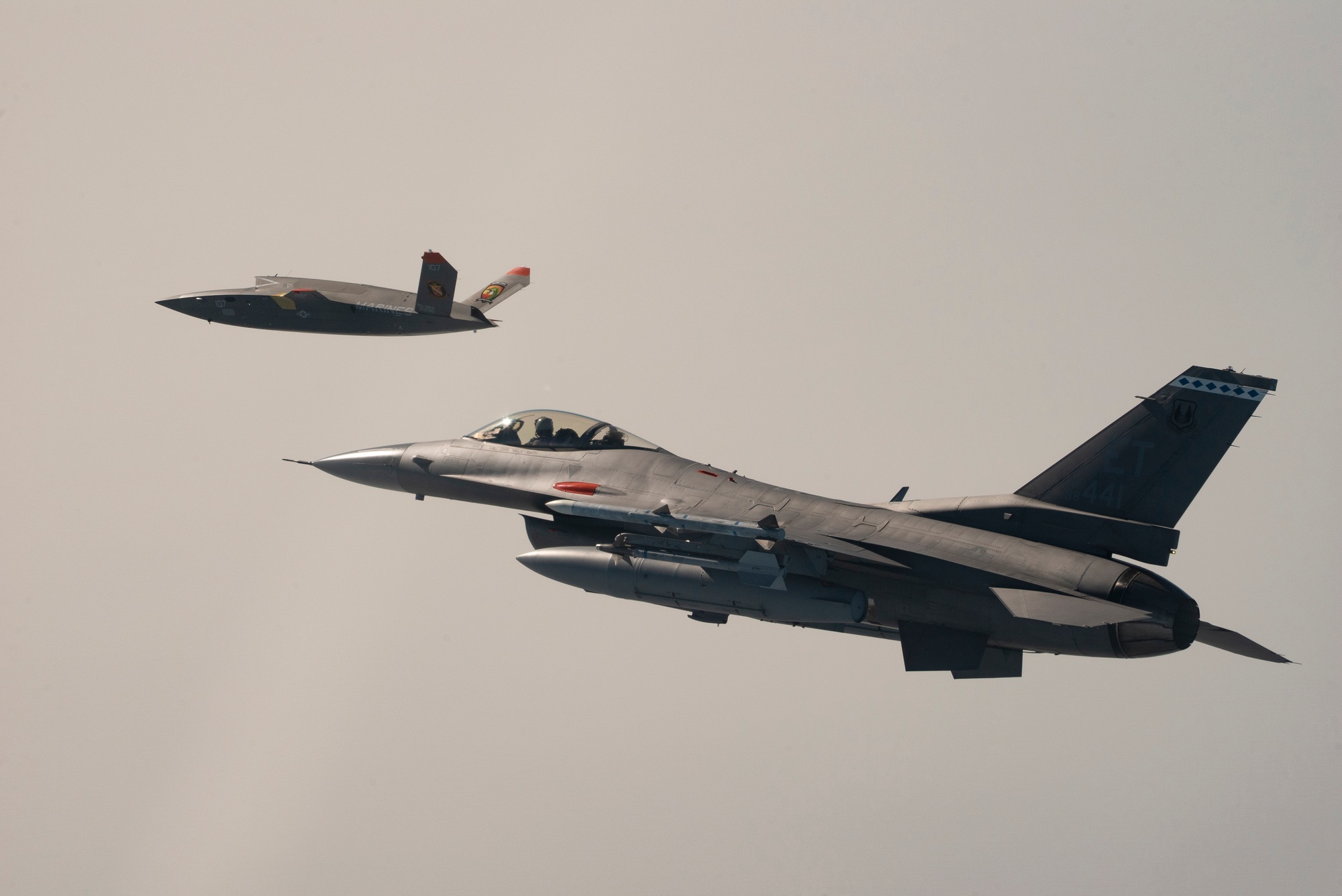
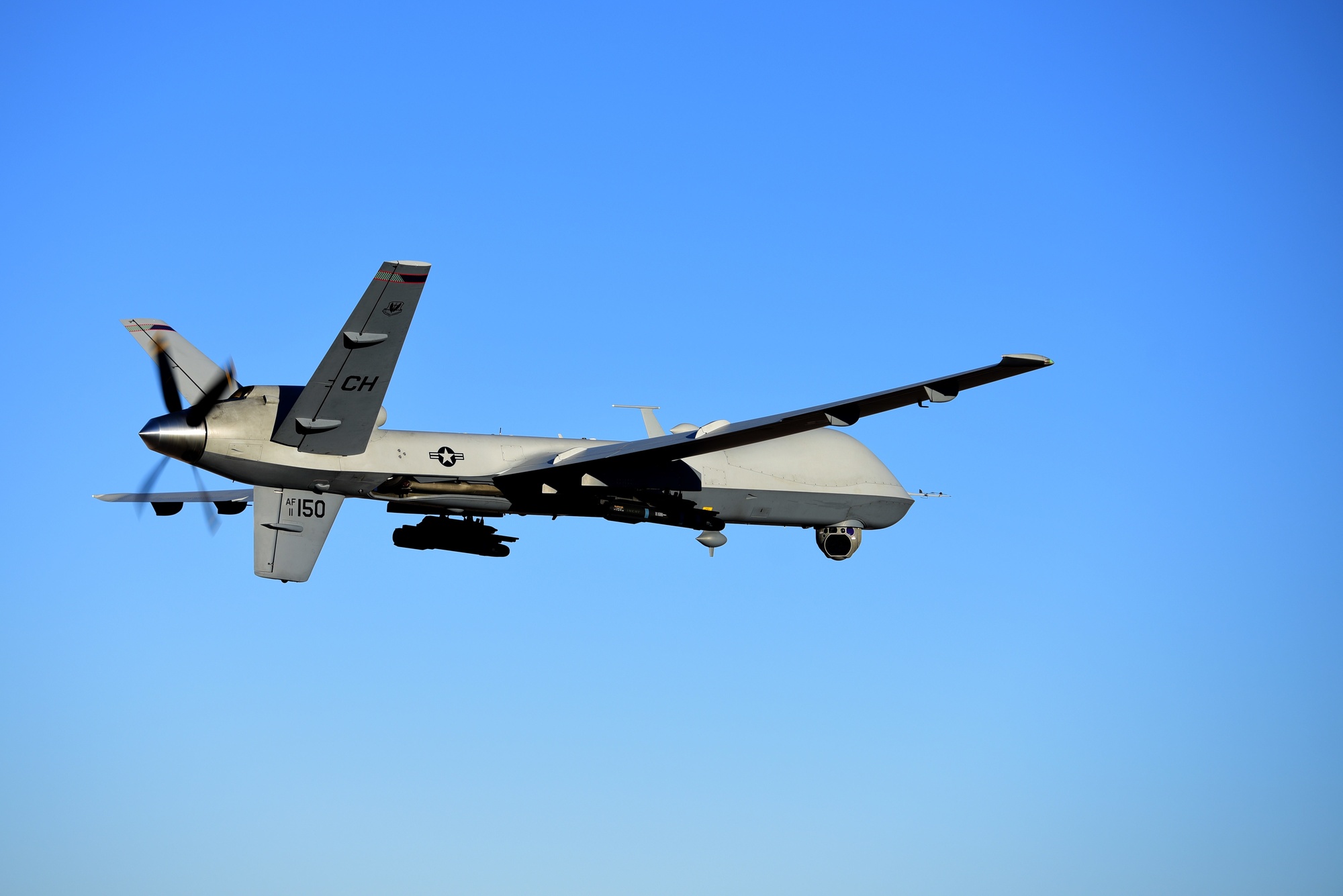
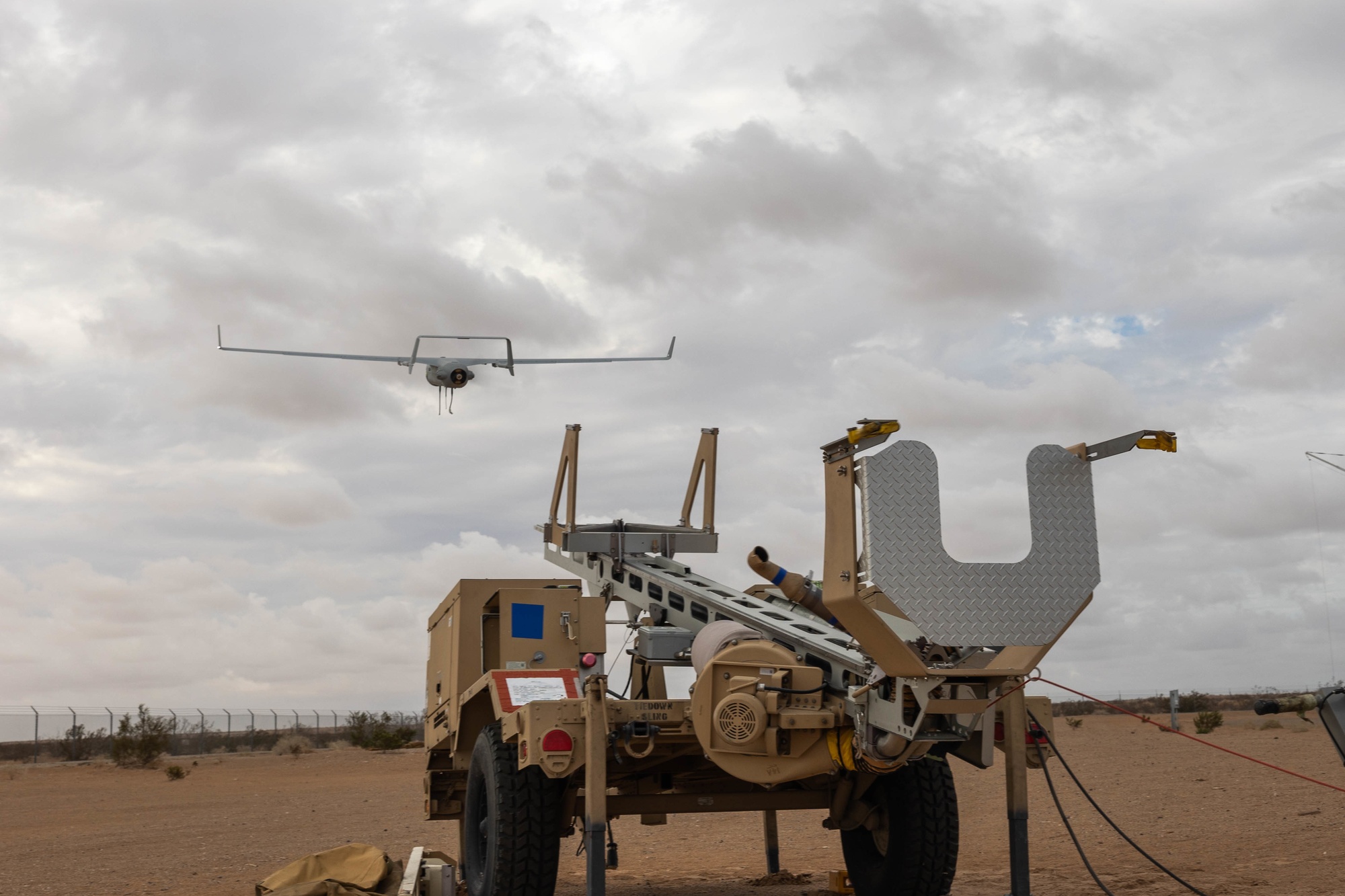
A platform family can include several vehicles, payload options and software baselines. Do not combine the longest advertised endurance from one configuration with the heaviest payload from another and present the result as a single vehicle. Record the variant and source beside each figure. If the source does not connect a specification to a configuration, label the limitation.
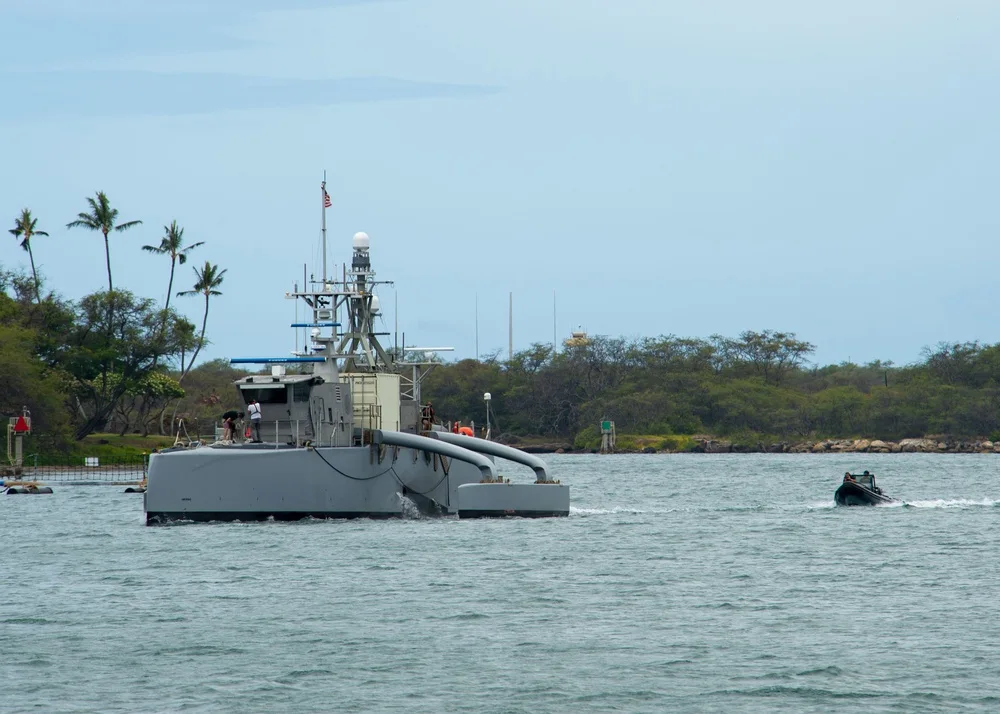
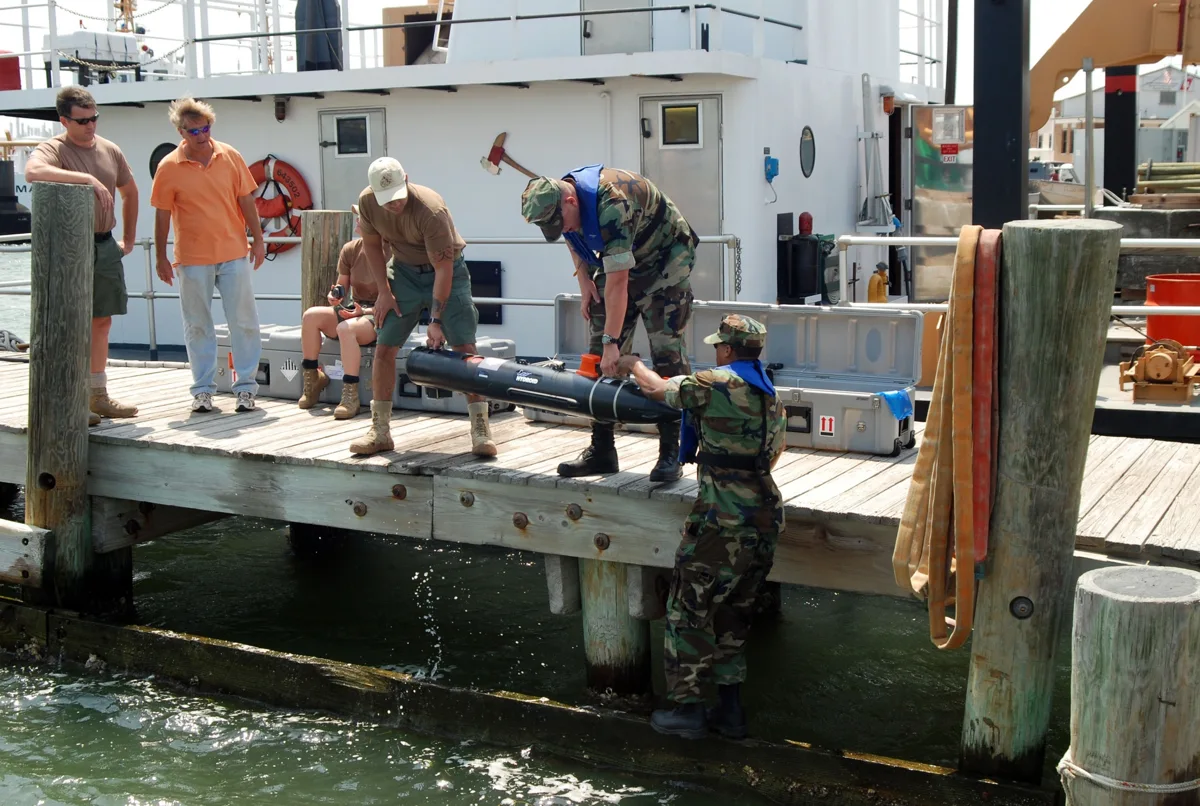
This applies beyond airframes. A surface vessel with one survey package is not automatically equivalent to the same hull carrying a different payload. An underwater vehicle can be offered with alternative energy or sensor arrangements. A ground carrier's available load capacity is distinct from the mass of its complete support equipment.
| Field | Record | Keep visible |
|---|---|---|
| Identity | Model and variant | Unresolved aliases |
| Measurement | Value and definition | Conditions and units |
| Status | Dated programme event | Who confirms it |
| Support | Scope of the complete activity | Unknown costs or resources |
| Output | Result the comparison concerns | Quality and acceptance criteria |
Match units and definitions
Converting units is necessary but insufficient. Range could describe distance travelled, communications reach or another published measure. Endurance may refer to movement, station keeping or a stated test condition. A maximum depth describes a different property from an aircraft's operating altitude. Preserve the source's definition before attempting comparison.
A missing figure should remain undisclosed. It is not zero, and it should not inherit the value of a related model. Use wording such as not publicly specified for this configuration. That makes the gap visible without converting a lack of disclosure into a performance judgement.
Worked example: more duration, less comparable evidence
Imagine two fictional inspection systems. One supplier quotes four hours under a stated light-load demonstration. Another reports three hours with the survey payload used in its example. Ranking them by duration alone would compare unlike conditions. The first might or might not achieve the same duration with the other payload; the supplied information does not settle it.
A useful table would keep both figures, state their conditions and mark the direct comparison unresolved. It could separately compare whether an actual survey output was published. This does not prove that the shorter-duration system is better. It shows why the quality of the evidence and the performance claim belong in different columns.
Count the complete activity
Preparation, transport, supervision, data review and maintenance all affect the effort needed to obtain useful output. For an AUV, NOAA's explanation includes onboard data storage and retrieval after recovery. The vehicle's time underwater therefore does not describe the whole information-production cycle. [1]
GAO's historical aircraft sustainment review also demonstrates why a fleet's inventory and its availability are different subjects. Its findings concerned named aircraft and a defined period; they should not be used as present readiness figures for an unrelated drone. The general reading lesson is to ask how availability was measured and what support it required. [2]
Worked example: cost per accepted inspection
Consider an invented monthly study with all costs expressed in arbitrary units. System A costs 10,000 units to operate for the period and produces 20 accepted inspection reports: 500 units per accepted report. System B costs 8,000 units and produces eight accepted reports: 1,000 units per accepted report. The cheaper monthly total does not produce the lower cost per accepted output.
The arithmetic is deliberately simple. It does not estimate the economics of any named vehicle. A real comparison would need consistent treatment of equipment ownership, personnel, maintenance, repeat work and report quality. The lesson is to disclose the denominator and cost boundary, rather than disguising assumptions behind a precise number.
Make a comparison that can be updated
Keep identity, configuration, role, programme status, measurements, source dates and unresolved questions as separate fields. Link the underlying evidence so a later correction can change one fact without rebuilding the whole narrative. If a new payload or operator configuration appears, decide whether it requires a separate variant rather than silently replacing the old baseline.
Use the site's comparison view to place evidence side by side, and follow the reference pages for qualifications. When the data cannot sustain a ranking, an explicit explanation is the useful result. Readers gain more from knowing why a comparison is unresolved than from a league table built on incompatible figures.
Publication history
- — Published an illustrated field guide with worked examples and source references.
Suggest a correction to this entry
Follow the evidence
Source types identify who makes the claim. Programme milestones and supplier statements should be read in context.
- NOAA: autonomous underwater vehicles and their survey role (opens in a new tab)Government / technical explanation
- GAO: aircraft sustainment and mission-capable rates, 2022 (opens in a new tab)Government / historical audit