Start with the exact claim
A source can be authentic and still support less than a headline suggests. A manufacturer can accurately announce a first demonstration without establishing production readiness. A ministry can accurately announce an order without confirming delivery. The first task is to write down the specific proposition being assessed: which vehicle, which configuration, which event and which date?
Keep a claim small enough to check. The sentence a new autonomous system is operational contains several separate assertions. The vehicle must be identified, the autonomous function described and the meaning of operational established. If only one of those elements is evidenced, publish that element with its limit. A short, precise statement is more useful than a broad claim supported by a narrow source.
Different sources answer different questions
A supplier is well placed to describe its offered product, but has a commercial interest in its presentation. An operator can establish that it received or used equipment, but may disclose little about configuration or performance. An independent assessment can examine a programme critically, although its findings apply to the period and scope studied. Source type is context for interpretation, not a universal score of truthfulness.
GAO's technology-readiness guidance is useful because it asks how maturity has been demonstrated, rather than treating a label as sufficient evidence. It does not certify the systems on this site. We use that distinction as an editorial question: what was actually assessed, under which conditions, and by whom? [1]
| Evidence | May establish | Still ask |
|---|---|---|
| Product catalogue | The supplier’s offered configuration | Has it been integrated or accepted? |
| Test account | A described activity and result | Which conditions and criteria? |
| Order notice | A defined procurement event | What scope is firm? |
| Operator statement | A described receipt or use | Which variant and period? |
Trace repetition back to its origin
Five articles may all repeat one press release. That is five publications, but only one original account of the event. Follow links and distinctive wording to identify the underlying announcement. Preserve the original publication date and the event date where they differ. An old demonstration recirculated this week does not become a new demonstration.
A useful evidence note records the publisher, the source's relationship to the programme, the exact claim it supports and any qualification that changes the meaning. If the original is unavailable, say that the account is secondary. Do not describe a report as independently confirmed merely because several outlets repeat it.
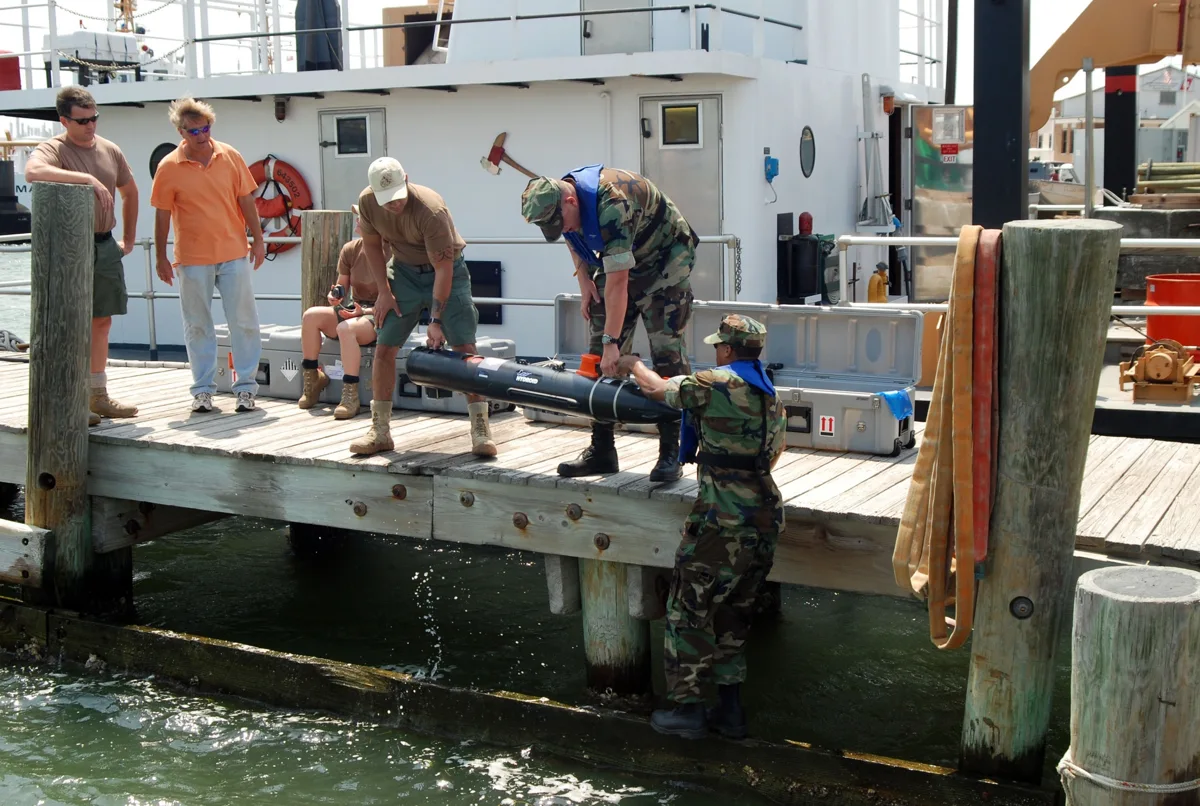
Photographs establish context, not every capability
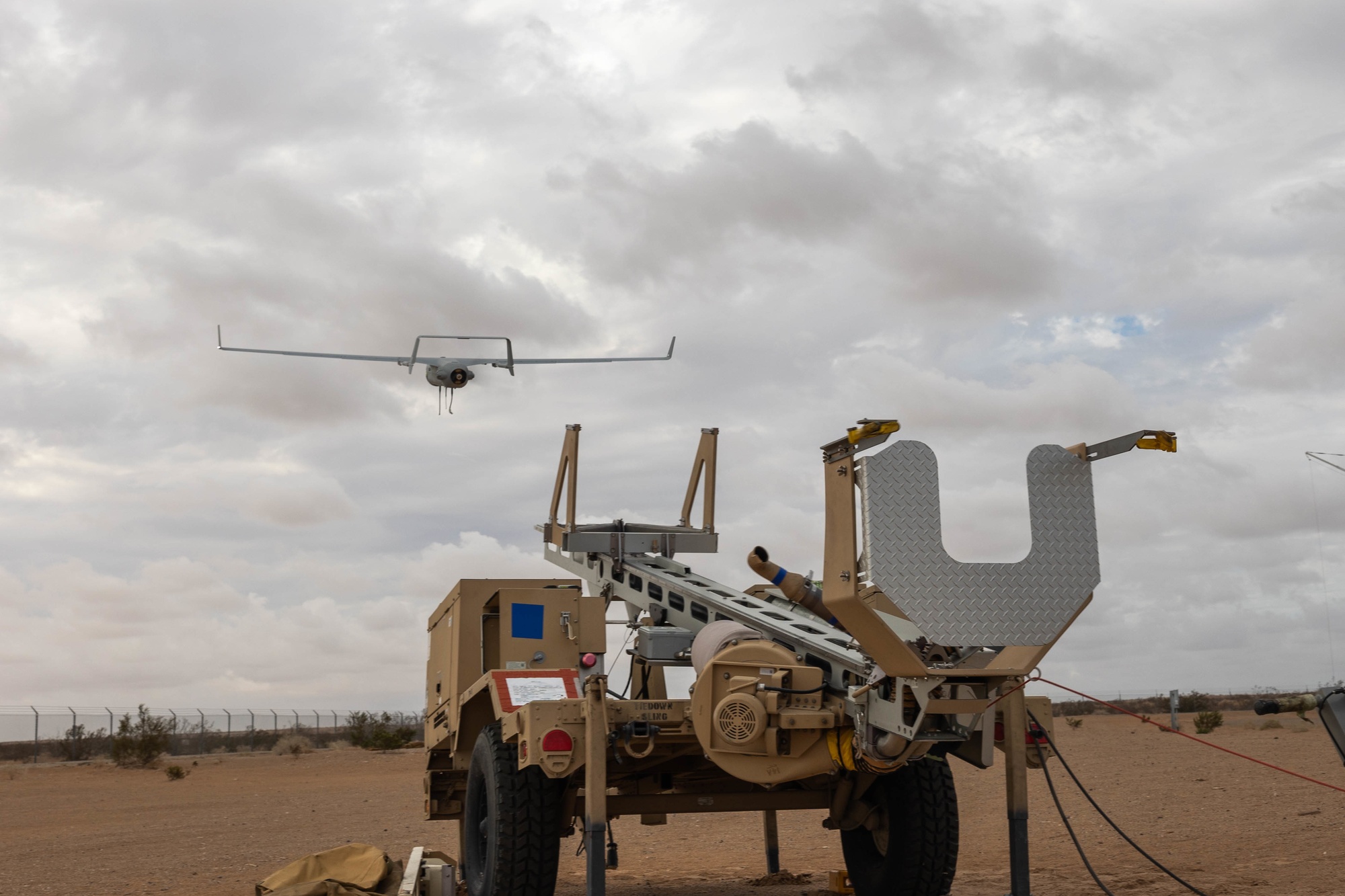
A photograph can show an object in a particular setting when its provenance and caption are reliable. It does not automatically establish the installed internal equipment, the duration of a test, the number in service or the reliability of an autonomous function. A computer rendering establishes a proposed appearance, not the existence of a working vehicle.
The historical test-flight image accompanying this guide is explicitly captioned. It illustrates why date, subject and context matter. It is not an image of every collaborative aircraft programme and should not be used to imply that unrelated systems have reached the same stage. Image reuse must also respect its source's rights and credit requirements.
Worked example: an impressive demonstration video
Suppose a fictional supplier publishes a short video showing a robotic inspection vehicle moving through a facility. The defensible observation is that the published footage depicts the stated activity, subject to checking its origin. It does not establish how many attempts were needed, whether a person intervened off-camera or whether the equipment can repeat the task under other conditions.
A proportionate article would attribute the demonstration, describe its stated scope and identify what was not disclosed. It would seek a dated test account or customer statement before adding stronger status claims. This is not an accusation that the video is misleading. It is a way to avoid asking one piece of evidence to answer questions it does not address.
Keep confidence attached to individual facts
Do not give an entire vehicle a single confidence label and then assume every specification is equally secure. Identity may be well established while quantity, payload or programme stage remains uncertain. Two sources can disagree because they discuss different variants or dates. Record both qualified statements before deciding whether they truly conflict.
The RAF's June 2025 Protector announcement is a useful historical example: it described service entry while also discussing further work towards full operating capability. Reporting the actual milestone is more accurate than replacing it with an unrestricted claim of completion. [2]
Leave a trail another reader can follow
The final article should let a reader reproduce the reasoning. Link the original source, attribute the claim, identify the configuration and state the unresolved question. When new evidence arrives, update the reference profile and retain dated news as a record of what was known then. A correction should explain the changed fact rather than hide the earlier uncertainty.
For concepts and reported prototypes, publication can still be valuable. Explain who proposed the system, what evidence of hardware exists and which claims remain aspirational. Unknown does not mean false, and an attractive concept does not mean a fielded capability. Both distinctions are necessary for an honest, growing library.
Publication history
- — Published an illustrated field guide with worked examples and source references.
Suggest a correction to this entry
Follow the evidence
Source types identify who makes the claim. Programme milestones and supplier statements should be read in context.
- GAO: Technology Readiness Assessment Guide, 2020 (opens in a new tab)Government / assessment methodology
- RAF: Protector enters service, 16 June 2025 (opens in a new tab)Government / operator